

Your environment news from Texas
Provided by AGP
SPRING TAKES ROOT ABOVE THE CITY AT DOWNTOWN HOUSTON’S NORTON ROSE FULBRIGHT TOWER
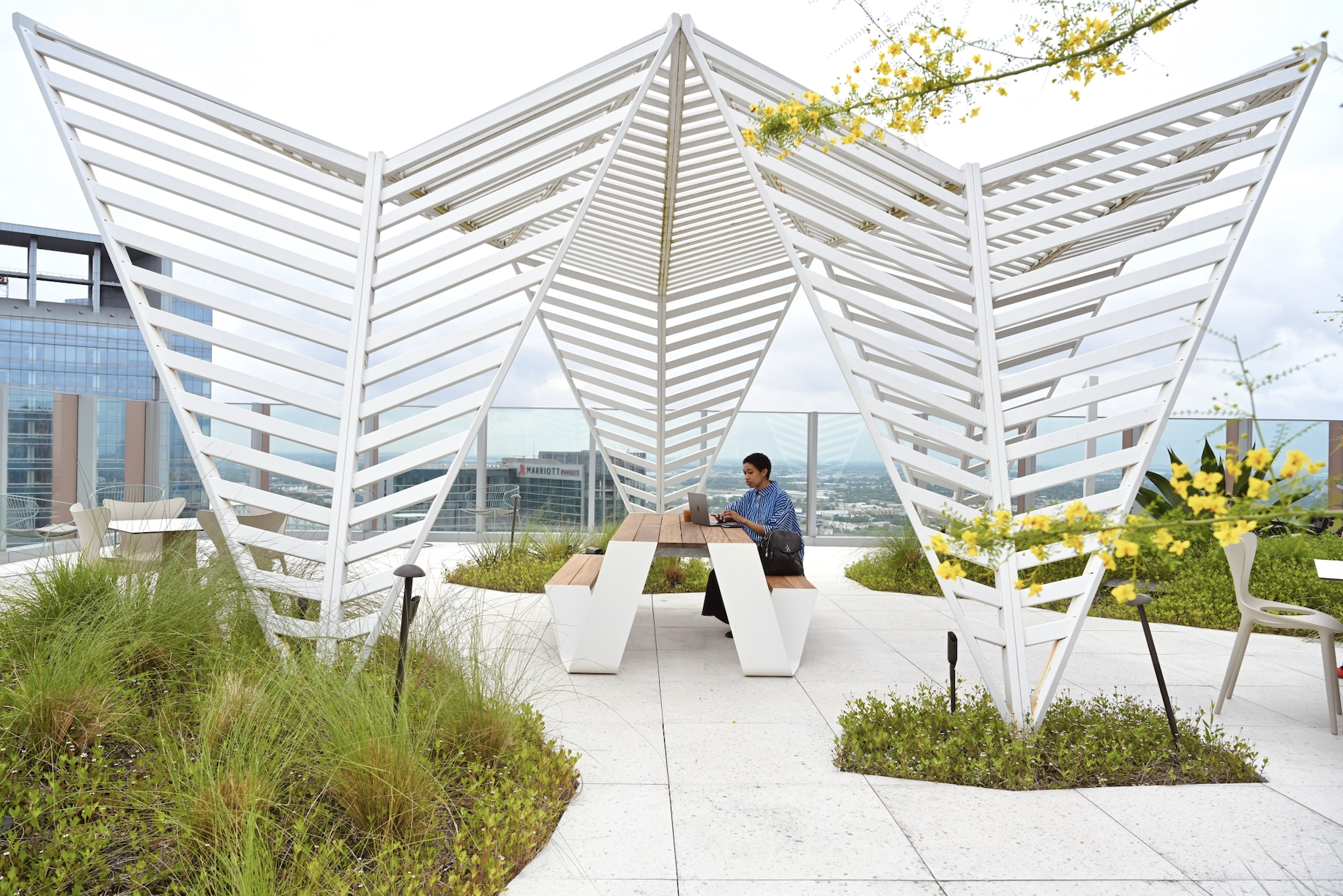
Norton Rose Fulbright Tower Rooftop (credit - Alex Montoya)
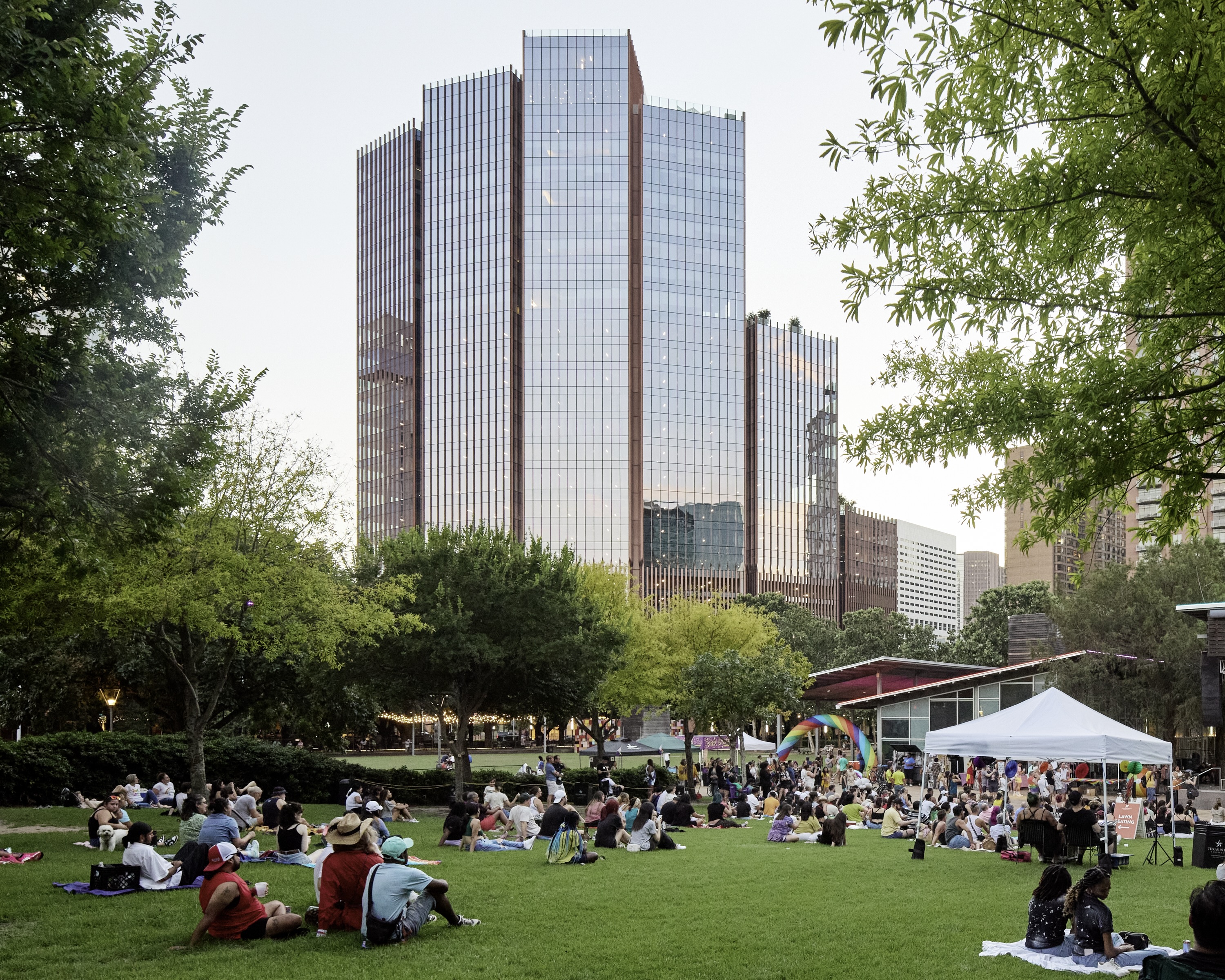
Norton Rose Fulbright Tower Exterior (credit - Skanska USA)
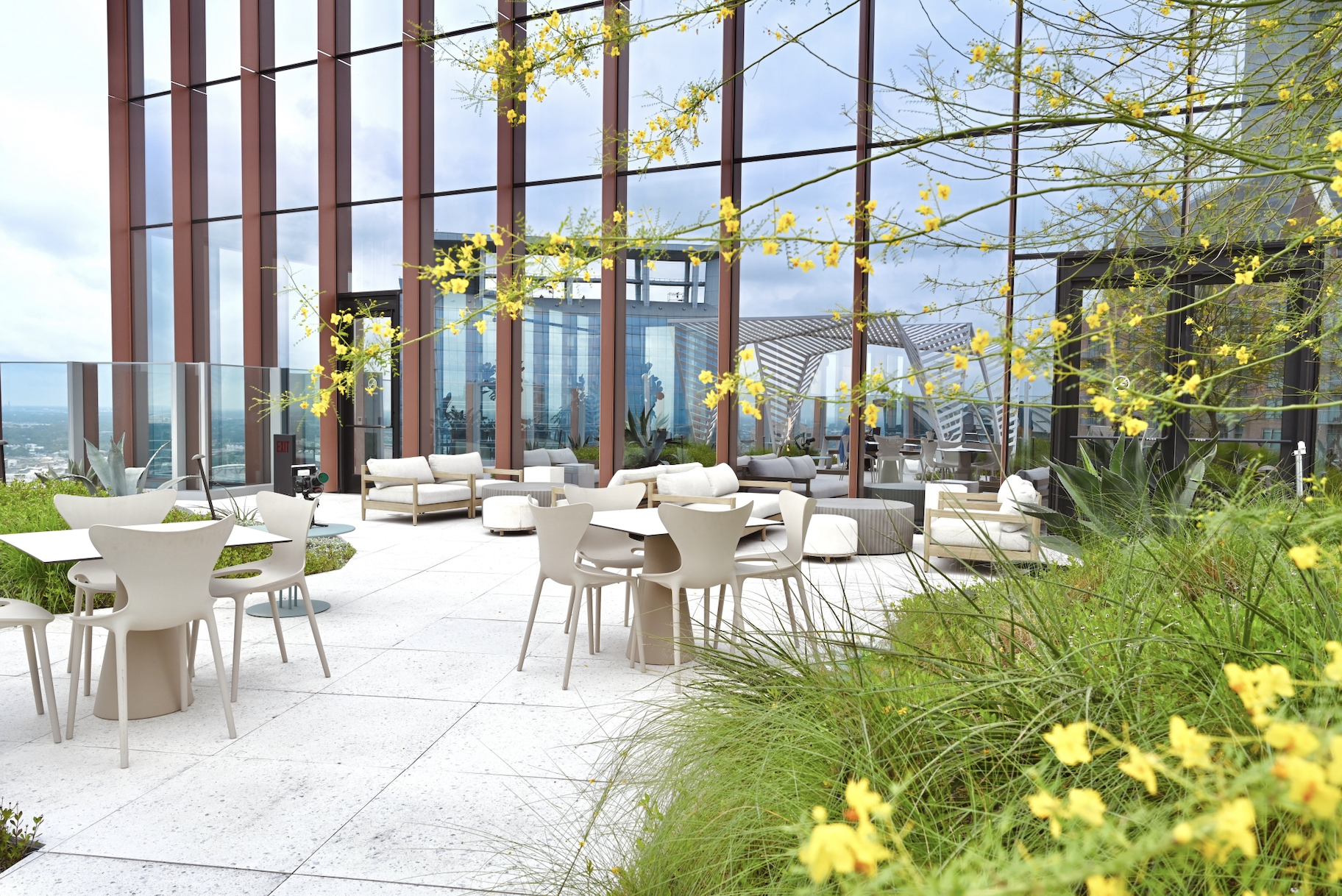
Norton Rose Fulbright Tower Rooftop 2 (credit - Alex Montoya)
Designed by Bjarke Ingels Group and completed in early 2024, the tower, located at 1550 Lamar, was envisioned from the outset as a building that blurs the boundary between architecture and landscape. While the project’s dramatic terraces visually extend Houston’s Discovery Green park upward into the building, they also serve a deeper purpose: bringing the benefits of nature directly into the workplace through biophilic design.
Implemented by SWA Group, which frequently work above ground, the terrace program is organized into three distinct ecological zones across the building, each with tailored planting palettes and purposes. A woodland-inspired garden on level 12 introduces a shaded, forest-like environment; a pollinator-focused garden on level 20 features native flowering perennial plants; and both an arid garden and pocket prairie landscape on level 28 – home to The Summit lounge and event space – showcases drought-tolerant species, along with an active beehive supporting urban biodiversity even at high elevation. Together, these zones create varied experiences for tenants while reinforcing the building’s broader sustainability goals.
Selected for resilience, seasonal color, and ecological impact, plantings, which range from native grasses and flowering perennials to blooms that support the bee program, are largely composed of native and adaptive perennial species, carefully chosen to withstand elevated conditions while minimizing long-term maintenance needs.
“Rooftop landscapes present unique opportunities and challenges, but they also offer meaningful environmental benefits when designed thoughtfully,” according to Houston-based SWA Group Associate Andrew Gresset. “At Norton Rose Fulbright Tower, a 48,000-gallon cistern captures and reuses rainwater for irrigation, while a rooftop beehive supports pollination and produces honey. The design team carefully selected plant species that can thrive in elevated conditions, where wind exposure, intense sun, and shallow soil depths require a thoughtful approach to horticulture.”
Beyond aesthetics, the terraces are designed with longevity and performance in mind. Irrigation systems support plant health across all levels, while the planting strategy emphasizes low-touch maintenance with periodic seasonal refreshes rather than intensive upkeep. Even in these elevated environments, the terraces have attracted unexpected wildlife, including pollinators and songbirds, reinforcing the concept of a thriving vertical ecosystem within the urban core.
For building tenants, the gardens provide more than visual appeal. Studies consistently show that access to nature in the workplace can improve focus, reduce stress, and enhance overall well-being. The terraces and rooftop lounges — including The Summit — offer employees places to step away from their desks, gather informally, or host meetings surrounded by greenery and sweeping city views.
The gardens also offer inspiration beyond the office tower. Many of the same plant species used in the rooftop landscape translate well to residential settings, including patios, balconies, and small backyard gardens. Varieties well-suited to Houston conditions include Gulf Coast Muhly, Pride of Houston Yaupon holly, purple coneflower, and Black-eyed Susans, all of which provide resilience, seasonal interest, and support for pollinators.
As spring unfolds, the rooftop landscape becomes a reminder that even in the heart of a dense urban skyline, nature can thrive with the right design approach.
# # #
Stuart Rosenberg
Public Content
+1 832-506-2109
email us here
Legal Disclaimer:
EIN Presswire provides this news content "as is" without warranty of any kind. We do not accept any responsibility or liability for the accuracy, content, images, videos, licenses, completeness, legality, or reliability of the information contained in this article. If you have any complaints or copyright issues related to this article, kindly contact the author above.
