

A1 Americas for Critical Infrastructure Details Anti-Scalable Fencing Amid Rising U.S. Copper Theft
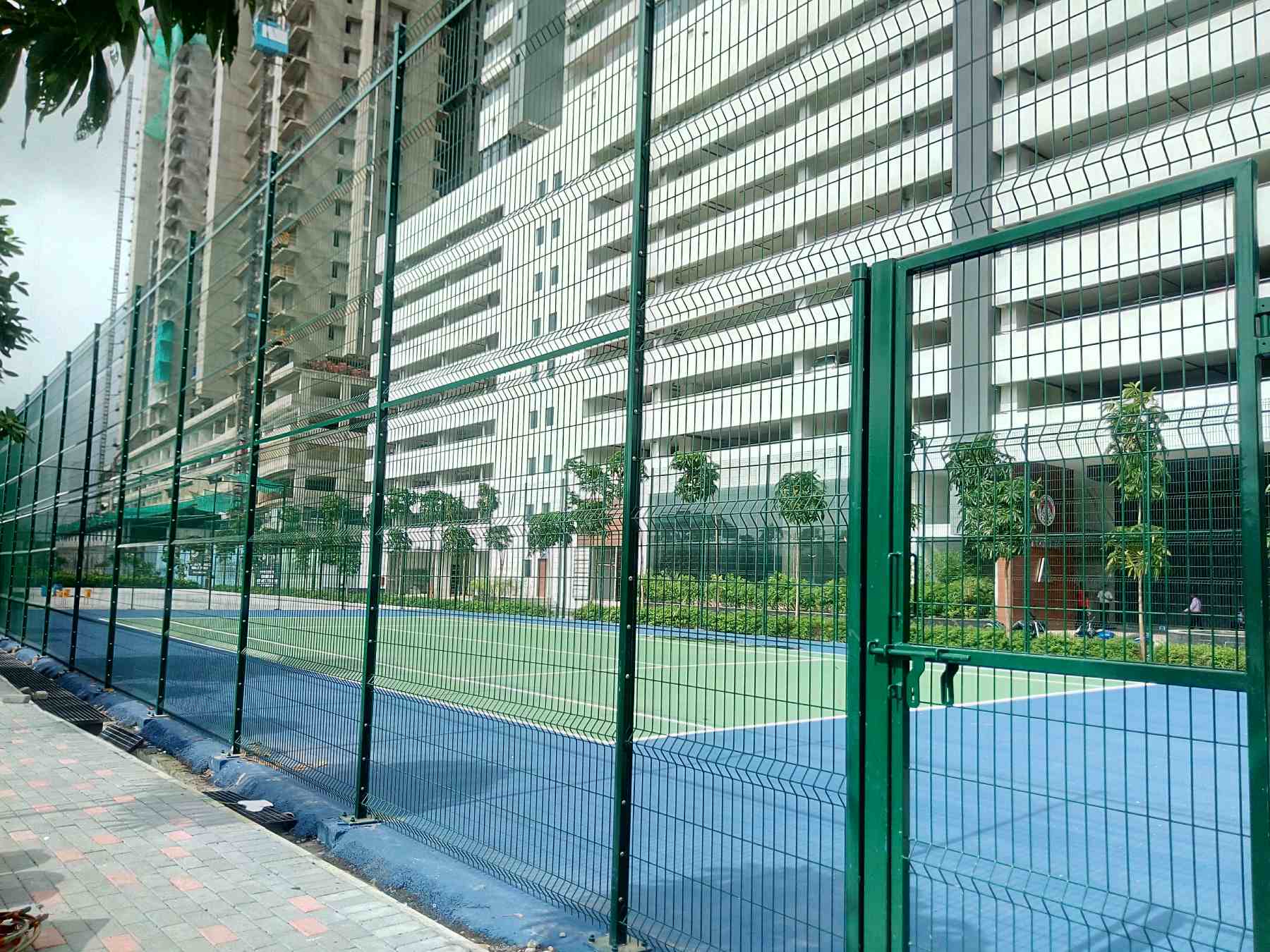
anti scalable fence
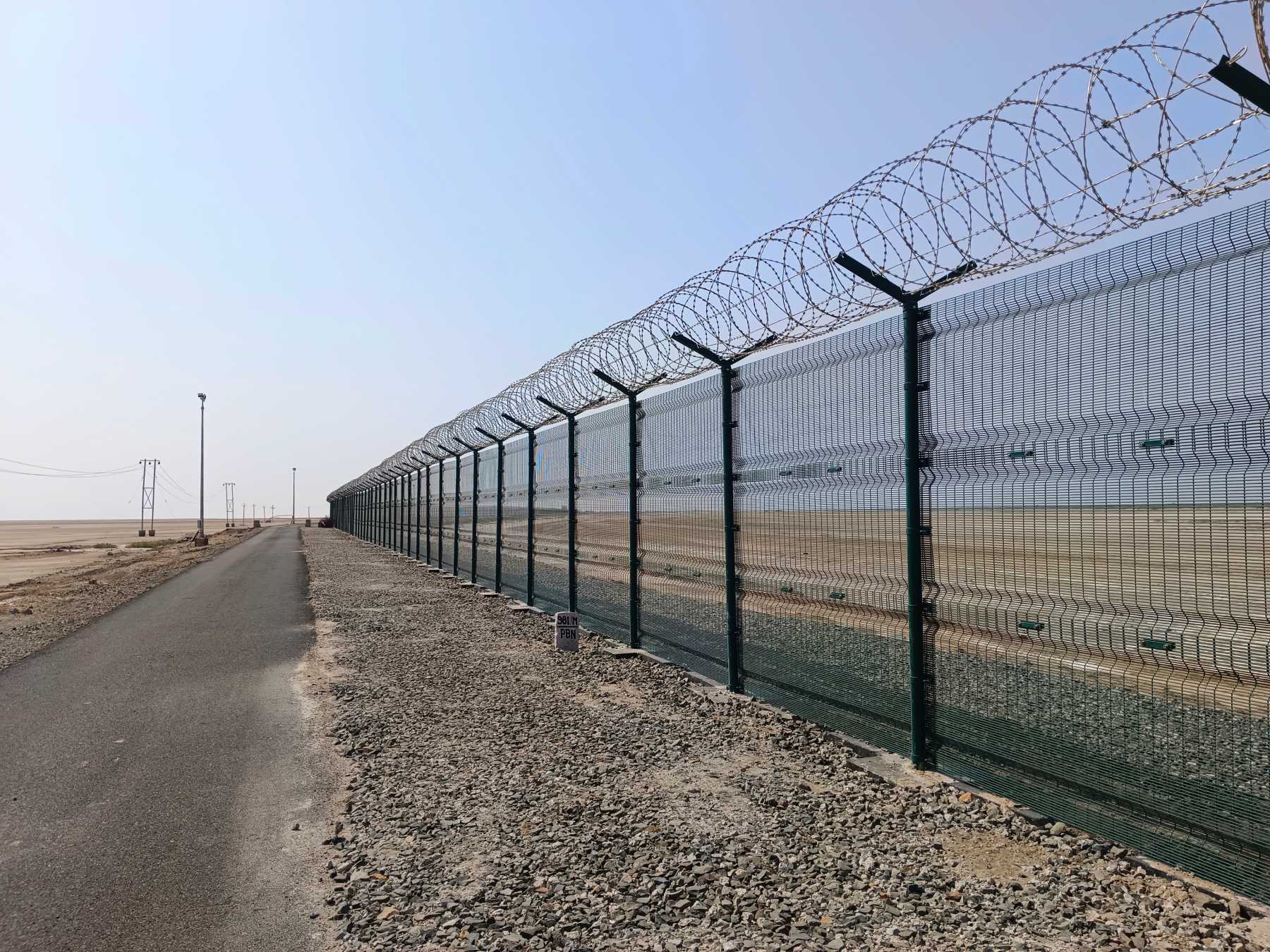
high security fencing
As copper theft drives new state legislation, the Houston fence manufacturer breaks down what makes a fence genuinely anti-scalable, and why it matters
HOUSTON, TX, UNITED STATES, October 12, 2026 /EINPresswire.com/ -- Copper theft at U.S. utility substations and critical infrastructure sites has become widespread enough that California enacted new scrap-metal legislation in 2026 specifically targeting the resale of stolen wire and grounding cable. For utility operators, data center developers, and industrial site managers who find themselves targeted more than once by the same crews, the response increasingly starts at the perimeter fence line. Not every fence marketed as climb-resistant actually performs that way under a repeat attempt.
A1 Americas, a Houston-based manufacturer of perimeter security fencing and part of the global A1 Security Group, is addressing that gap directly. According to the company, a genuinely anti-scalable fence depends on several factors working together rather than any single feature: mesh apertures tight enough to remove footholds and handholds, fully welded framing that cannot be pried loose, high-tensile steel resistant to hand tools, sufficient height, and a credible top deterrent.
Anti-Climb Fences for Critical Infrastructure
Standard chain link was never engineered to stop a determined intruder. Its wide, diamond-shaped openings act as built-in handholds and footholds, and because the mesh is only woven and tied to the supporting posts rather than welded, a section can often be pried up from the bottom rather than climbed at all. For substations, pump stations, data centers, and other unmanned infrastructure sites, that gap matters more than it does on a typical commercial property, since there is rarely staff on-site to intervene before damage is done. Genuine anti-climb systems close that gap three ways: a tight mesh aperture, commonly built around the industry's 358-style specification, narrow enough that neither fingers nor a boot toe can gain purchase; fully welded construction at every intersection, so panels cannot be pried loose or separated from the frame; and high-tensile steel wire that requires powered cutting tools, not hand tools, to breach. That last point matters operationally, not just physically: a power tool is louder and slower than bolt cutters, giving a sensor or patrol more time to respond.
"A lot of fencing gets marketed as climb-resistant without ever being tested against someone actually trying to get over it," said [Spokesperson Name], [Title] at A1 Americas. "For a substation that has already been hit more than once, the real question isn't whether a fence looks secure. It's whether the mesh spacing, the welds, and the wire gauge hold up against a repeat attempt, because that is usually who operators are dealing with."
The company's ArmorMesh product line illustrates how those requirements are engineered in practice. Tightly spaced welded mesh panels are designed to eliminate climbing points while preserving visibility for surveillance cameras and patrol staff, a detail that matters for sites pairing fencing with camera coverage rather than relying on the fence alone. A1 Americas positions this type of anti scalable fence as the baseline perimeter layer for substations and unmanned utility sites, where repeat theft attempts make deterrence and delay the primary objectives.
Preventing Copper Theft at Substations with Anti-Climb Fencing
Copper theft specifically depends on an intruder gaining enough proximity and time to reach grounding mats, bus bar connections, or internal wiring, not just crossing the property line. That makes perimeter design, not just perimeter presence, the deciding factor. A1 Americas describes three layers commonly specified together for theft-prone substations: physical hardening, meaning anti-climb mesh with a razor wire topper to slow entry and raise its risk; intrusion detection, typically a fence-mounted sensor that flags cutting, climbing, or lifting attempts as they happen rather than after the fact; and monitoring, usually camera coverage positioned to use the open sightlines tight-mesh anti-climb panels are designed to preserve. None of the three substitutes for the others: a fence without detection only delays an experienced crew, and detection without climb- and cut-resistant fencing generates alerts for breaches that have already succeeded. A1 Americas manufactures fence-mounted detection technology alongside its anti-climb line so operators can specify both from a single source.
For sites that need an additional physical barrier on top of climb-resistant mesh, A1 Americas also manufactures razor wire systems engineered to increase the time and risk associated with any breach attempt. As a razor wire fence manufacturer producing in Houston, the company reports that pairing a tightly meshed base fence with a razor wire topper is among the most common configurations specified for substations, pump stations, and other unmanned infrastructure sites where theft, rather than general trespassing, is the primary concern.
More broadly, A1 Americas manufactures a full range of high security fencing systems, from welded mesh and twin-wire panels to fence-mounted intrusion detection, serving commercial, industrial, and government sites across the United States. Its products are manufactured to recognized industry standards, including ASTM F2781-15 testing for verified intrusion delay, and A1 Americas holds ISO 9001, 14001, 18001, and 45001 certifications, covering quality, environmental, and safety management, across its manufacturing operations.
As copper and metal theft continues to draw legislative attention in states beyond California, A1 Americas says it expects more utility operators and infrastructure owners to evaluate their existing perimeter fencing against documented anti-scalable performance rather than relying on manufacturer claims alone.
A1 Americas designs and manufactures perimeter security fencing systems in Houston, Texas, for projects across the United States, as part of the global A1 Security Group. The company's product range includes anti-climb and anti-intruder welded mesh fencing, razor wire systems, twin-wire and welded wire fence panels, and fence-mounted intrusion detection technology.
Kartik, A1 Americas
Address: 9727 Tanner Rd Houston, TX 77041
email us here: sales@a1americas.com
Kartik
A1 Americas
+1 281-734-6999
sales@a1americas.com
Legal Disclaimer:
EIN Presswire provides this news content "as is" without warranty of any kind. We do not accept any responsibility or liability for the accuracy, content, images, videos, licenses, completeness, legality, or reliability of the information contained in this article. If you have any complaints or copyright issues related to this article, kindly contact the author above.
